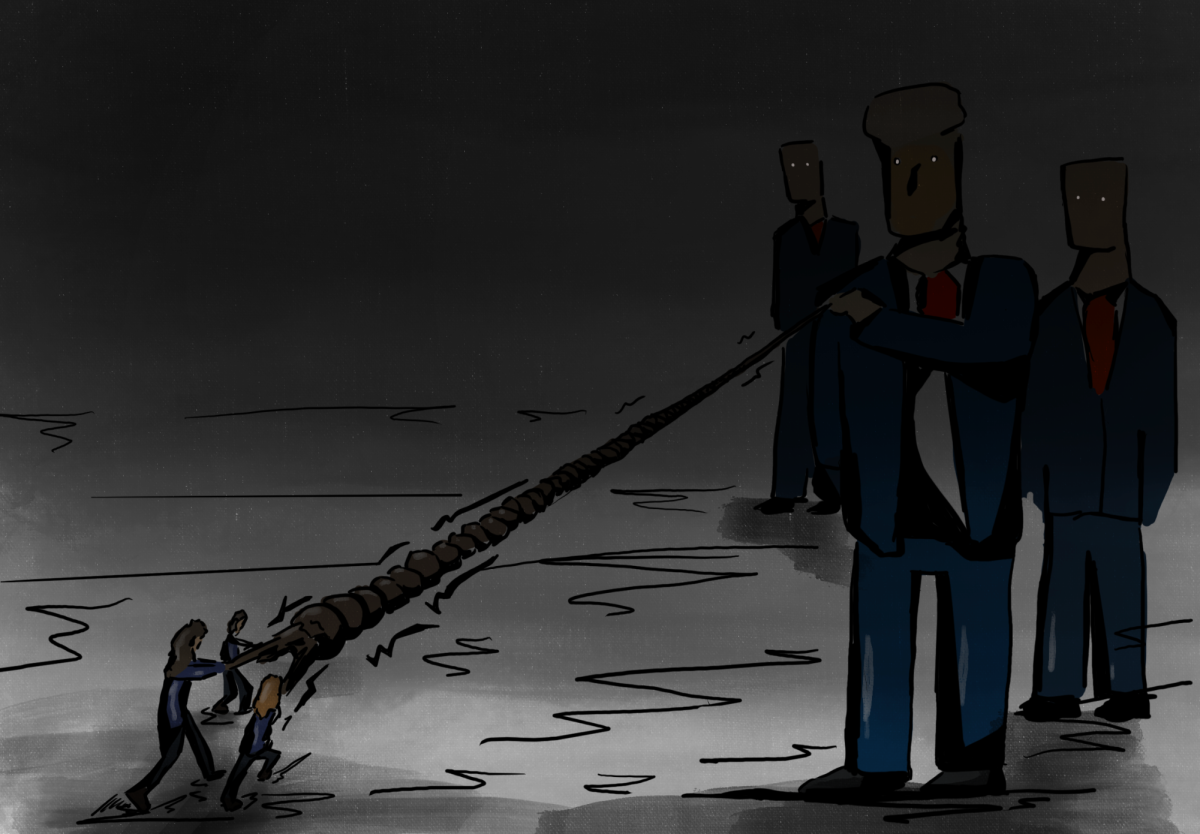
We must come to the painful realization that the version of the United States we have been taught is a myth. ICE deployed onto civilian protests is a perfect representation of the U.S. government when a threat is perceived as “un-American.” It just so happens those “un-American” threats are now American citizens protesting and criticizing the federal government. Yes, the U.S. is a nation of immigrants, there is no denying that. But just equally we are a nation that makes false promises. A nation of ideals, rather than realities.
For Christian students on campus, the Cereal Ministry becomes a place of connection. It brings together students who may otherwise never cross paths, helping them build relationships grounded in shared values and mutual support. In doing so, it helps students feel less isolated in their faith and more connected to the broader campus community. Through consistency, care and community, the Cereal Ministry demonstrates how intentional spaces can make a meaningful difference in students’ college experiences.
Search engines and social networks seemingly provide resources that connect individuals through accessible information and debate. But invisibly, algorithmic editing of the web increasingly isolates users, trapping them in “filter bubbles” through hyper-personalized results. Online platforms should seek users’ permission to personalize online content and provide a clear and easy way to opt in or out.
There is much to be angry about within this country, and that anger being expressed is a logical path. But while language is powerful, words can only do so much. Some may believe that rejecting and disengaging with the whole system demonstrates superior morality, but in reality, it shows their lazy inability to reasonably and realistically interact with a system to try to change it for the better.
All anti-fascists in the U.S. need to realize the full scale of what we are up against. The Trump administration is simply not concerned with public perception; by cementing itself as an undemocratic force, it has no reason to adhere to anyone.
It is easy to look at the national political stage and feel completely disconnected from it. But people turning a blind eye to political issues they believe do not directly impact them only reflects their unwillingness to confront larger systemic issues that will undoubtedly impact us all. Politics, for better or for worse, impacts our everyday life, whether we choose to acknowledge that fact or not.
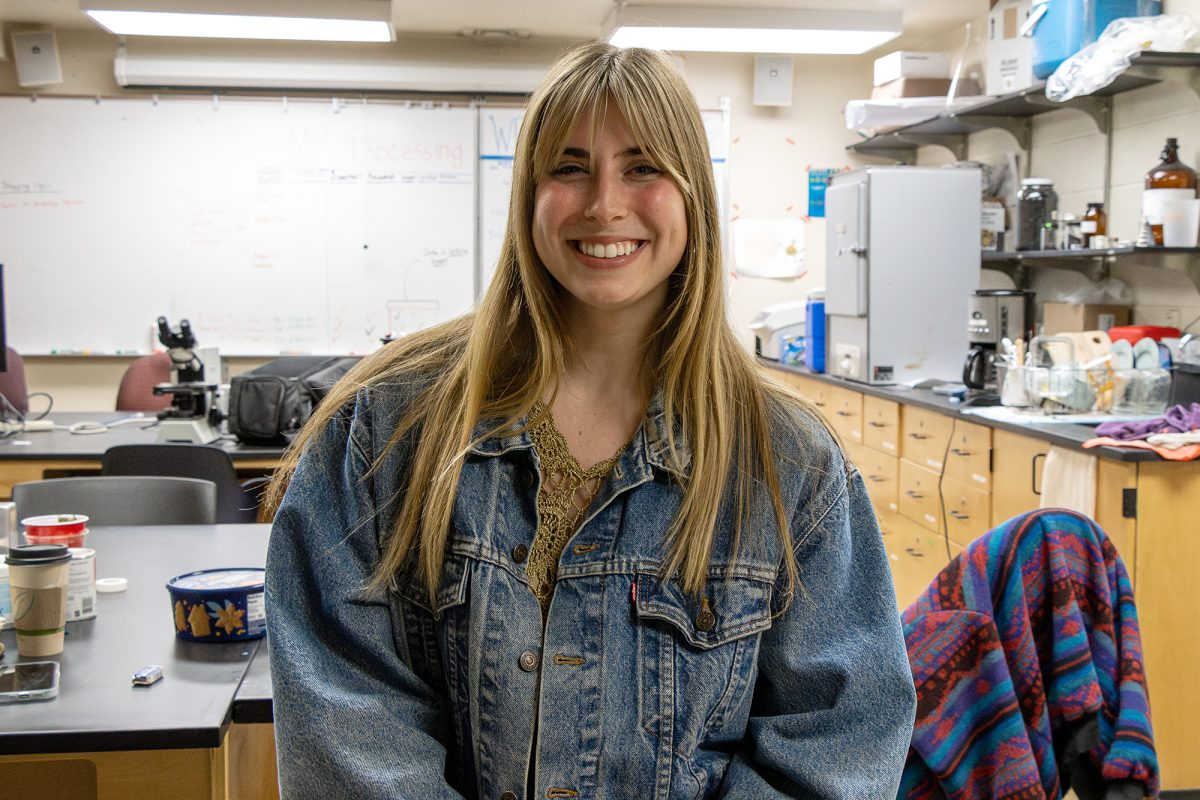
Three years ago, I sat alone in my dorm room eating mooncakes by myself. This year, I got to help bring to life a Mid-Autumn Festival celebration with just under 50 faculty, staff and student attendees. That shift in experience, from isolation to community, is the result of increased attention and effort to provide spaces for students like myself. I am deeply honored to serve as this year’s president of the AAA and to be a part of a small but mighty community of students. If there is a space large enough on campus to hold all of us, then there is space to provide support to everyone.
Countless American teenagers confide in artificial intelligence chatbots, turning to them for conversation, emotional connection and even mental health support. But chatbots cannot replace trained human therapists. Mental health counseling requires a human touch. Chatbots are unfit to provide this support because they simulate care without responsibility, validate their users with sycophantic responses and encourage dangerous behavior.
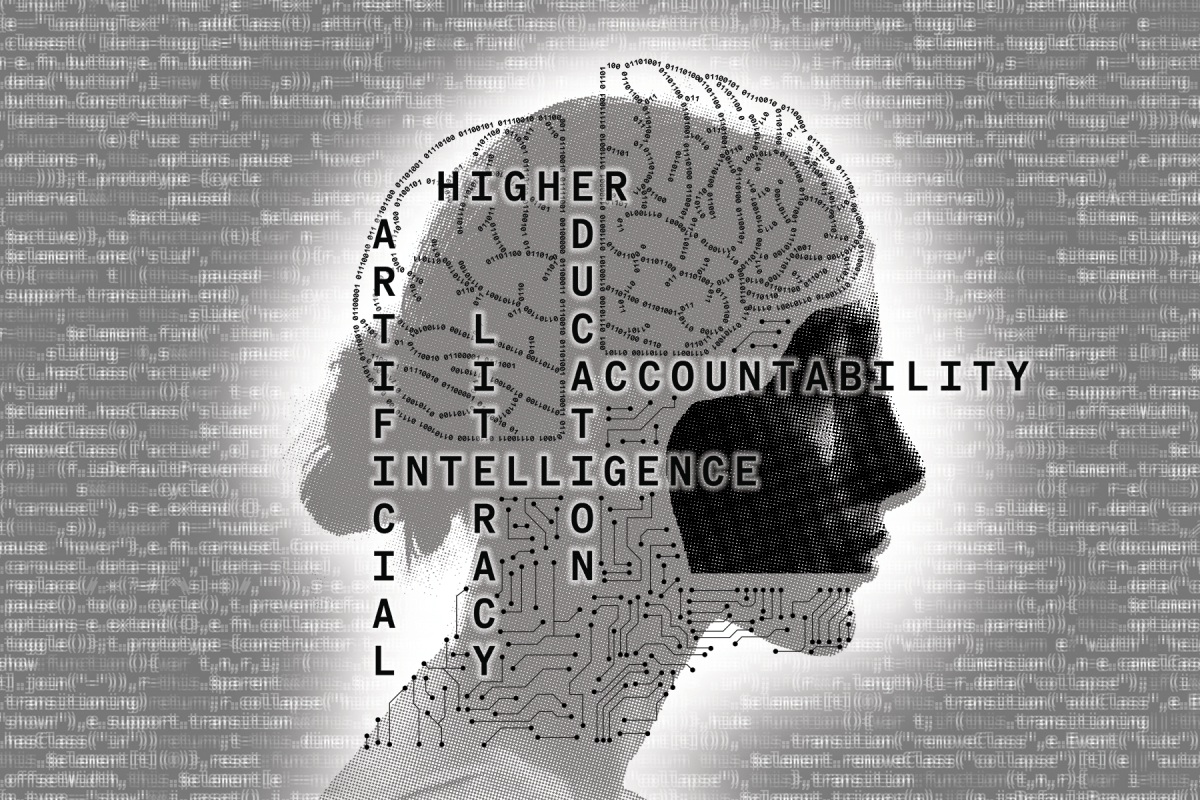
After graduating from a higher education institution, like Ithaca College, students leave with degrees that act as the representative proof of the work they did. But, as artificial intelligence technology advances and students' attitudes toward education change to not caring about cheating with AI, what will those degrees truly represent?
While it is important for our own health to avoid products with PFAS, it is imperative to consider why we must take precautions to begin with. Responsibility should not be falling on the shoulders of consumers. Simply changing the way that we shop fails to grasp the root of the issue: that companies are not being held responsible for the chemicals they use in production.
Digital technology complicates how people budget their attention which can render users susceptible to a ceaseless barrage of advertising, notifications and small daily interruptions that add up. While these attention-driven digital platforms have some value, it is important to keep in mind the forces that drive them are not prioritizing the best interests of users.