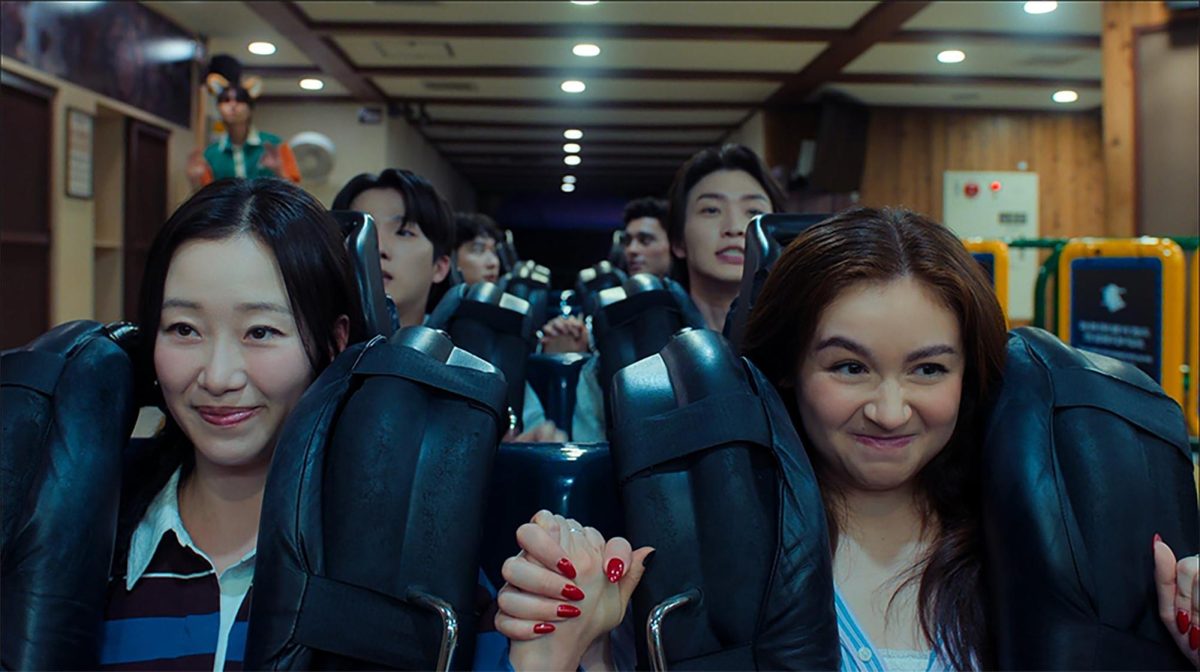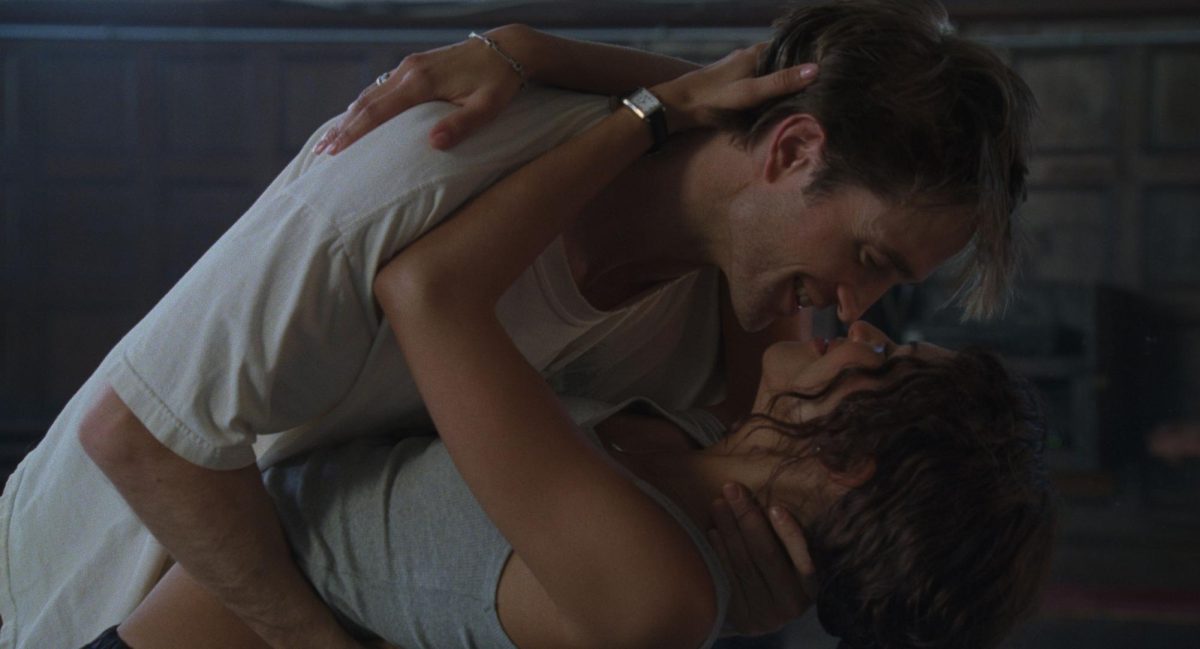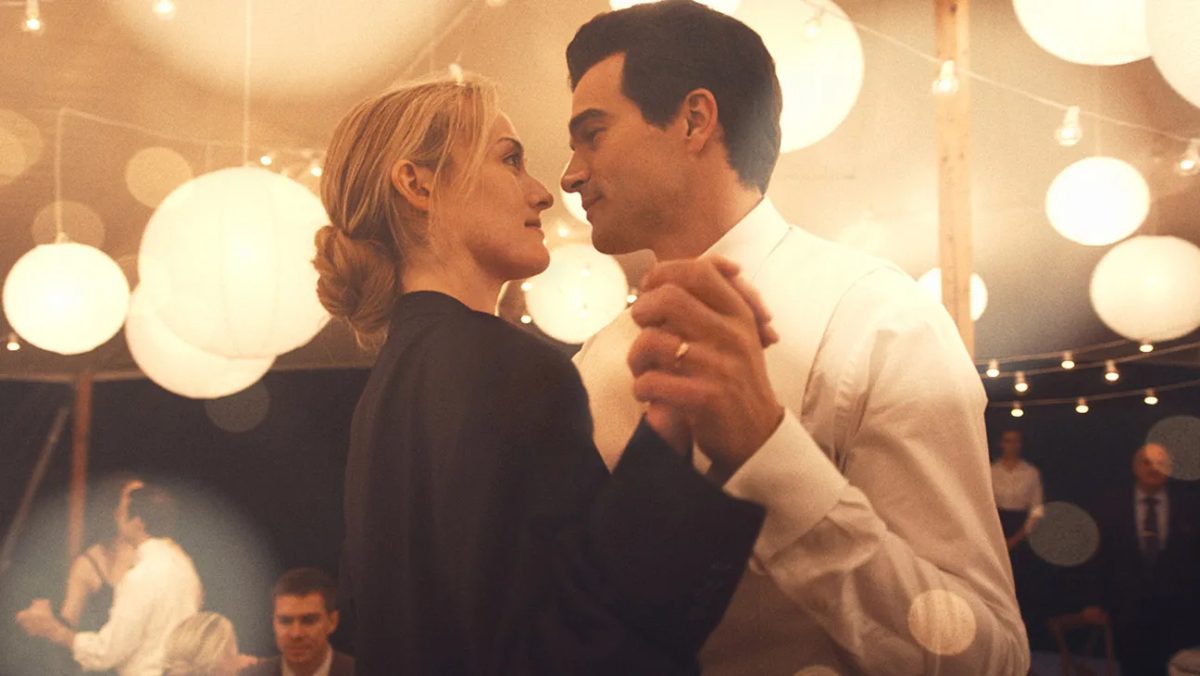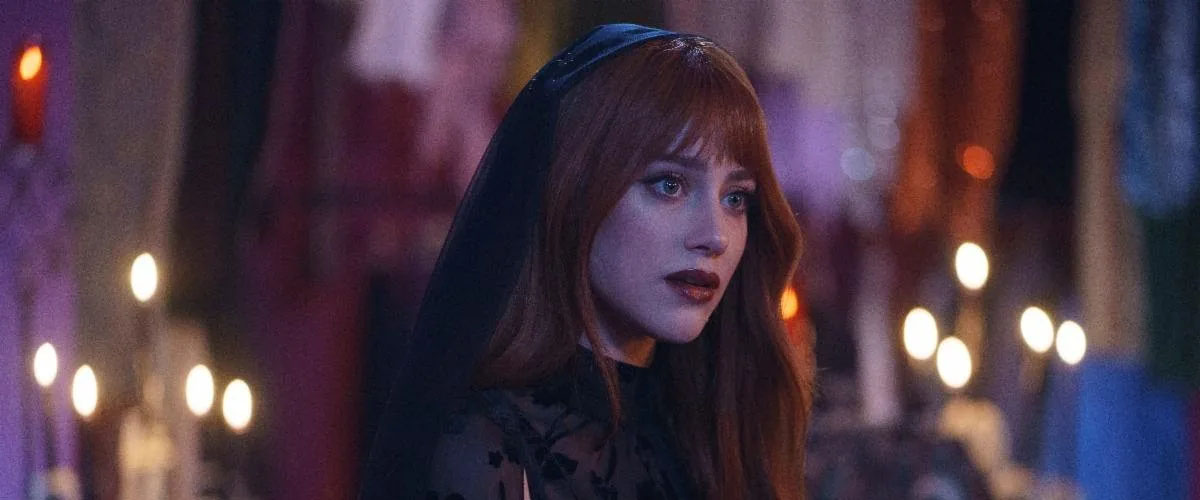

From Meryl Streep’s character screaming at the real Donatella Versace to the Lady Gaga-anointed original soundtrack, “The Devil Wears Prada 2” does not just satisfy fans of the 2006 original with its nostalgia-driven one-liners and reminiscent costumes; it also stands on its own as incredibly witty and entertaining, with emotional twists, exciting cameos and some bones to pick with big billionaires taking over legacy media outlets.
In this sequel, set 20 years after the original, fans are reconnected with 40-something Andy Sachs (Anne Hathaway), who returns to the fictional fashion magazine “Runway,” where Andy was once the meek-eyed assistant to editor-in-chief Miranda Priestly (Meryl Streep) and creative director Nigel Kipling (Stanley Tucci).
In the first movie, Andy left the magazine after deciding that the work environment under Miranda was too unsupportive, demanding and cutthroat for her journalistic aspirations. In “The Devil Wears Prada 2,” “Runway” is put under fire for endorsing a fast-fashion clothing brand, and Andy is rehired as the features editor to restore the magazine’s credibility. To demonstrate the rising dominance of advertising over editorial power, “Runway” is put head-to-head with luxury fashion executive Emily Charlton (Emily Blunt), who, like Andy, was once an assistant at “Runway” before seeking a seemingly more tangible career. The magazine is met with shocking ownership deals and possible department cuts, and Andy is presented with the unfortunately accurate dilemma most modern journalists are facing: is it more important to focus on what readers need to know or what they will want to click on?
Inflation is not the only thing that has drastically changed in the last 20 years, and “The Devil Wears Prada 2” redesigns its foundational stitching around an array of elements, from its aesthetic appeal on the screen to the pertinent pressures of upholding the reputation of a print-founded media outlet.
It is clear that cinematographer Florian Ballhaus intentionally changed camera types to transport this tiresome “girlboss” story into modern contexts. The shots are crisper and brighter than what was available to filmmakers in 2006. Surprisingly, the cinematic experience is illuminated rather than hindered by this sequel falling under the “Netflix lighting” phenomenon, which is the internet’s way of saying modern film technology, especially made-for-streaming content, is becoming flat and overly bright. Here, the glitter is sharper and the smoky eyes are more dramatic.
The script is spewing with pop culture references and current event callouts, like the insignificance of an Ivy League education and the importance of gender-inclusive corporate dialogue. Luckily, the comedic timing is perfect, especially from Streep and Tucci, and this outweighs the otherwise cringeworthy punchlines. Some attempts at nailing modern vernacular do fall more flat, however, like when Nigel says he “slayed” making a look for RBG, AKA Ruth Bader Ginsburg.
Aside from these woke-maxxing mic-drops, this sequel also reframes Miranda’s tyrannical arc from cautionary tale to sympathetic struggle to maintain a glamorous influence amid “aging out” against corporate consolidation and the deterioration of print media.
Do not get it twisted, though: Miranda is as chilling as ever, and her digs are quite possibly even more unhinged than in the original. Perhaps Streep took notes from her newfound sixth-cousin, Anna Wintour, former editor-in-chief of “Vogue.”
“The Devil Wears Prada 2” pulls off credible commentary on modern dilemmas in both the magazine industry and society at large. During a dinner scene at the 5th-century Santa Maria delle Grazie convent in Milan, as Miranda and Andy stand in front of Leonardo da Vinci’s infamous depiction of The Last Supper, Miranda takes the opportunity to comment on humanity’s inevitable disposition to disappoint, clocking Andy’s insecurities as usual. Soon after, the artificial intelligence elephant in the room is brought up with refreshing honesty. Powerful industry heads bring up the fatal risk attached to an aversion to change. The irony of the dinner being held at a now-decimated ancient civilization–– which was defeated for the very same aforementioned aversion–– is pointed out. Moments like this are clever, but not forced.
Even with this eagerness to check off every box of relevancy, some things never change: Andy is still the master –– maybe second to Carrie Bradshaw –– of the half-jog in heels across the somehow unbusy New York City street. The soundtrack features callbacks to the original soundtrack, like Madonna’s “Vogue,” which is suspensefully faded in as Miranda boards a United Airlines flight and finds out she must sit in economy due to budget cuts. From Streep’s performance to the early 2000s-esque plot-advancing montage, this scene is pure gold. Lady Gaga and Doechii’s new song “RUNWAY” is performed in one of the final scenes and is the background music for another extremely satisfying montage that highlights the film’s best looks during the fictional depiction of Milan Fashion Week, part of which was actually filmed during the real Dolce & Gabbana show in September 2025.
“The Devil Wears Prada 2” surpasses the original in its ability to hold substance beyond its premise as a fashion rom-com. With this achievement, the sequel is still able to deliver the simple pleasure of indulging in not-so-quiet luxury fashion and the fun of escaping into the cinematic vision of working in New York City in your 20s.
Deeper than the blue of Andy’s classic cerulean sweater is a takeaway that needs to be heard by anyone struggling to find individuality in a constantly hegemonic world: authenticity and artistic pursuits can prevail against the stifling nature of the digital revolution, as long as the story is newsworthy enough, and you do not make your boss hang up her own coat.