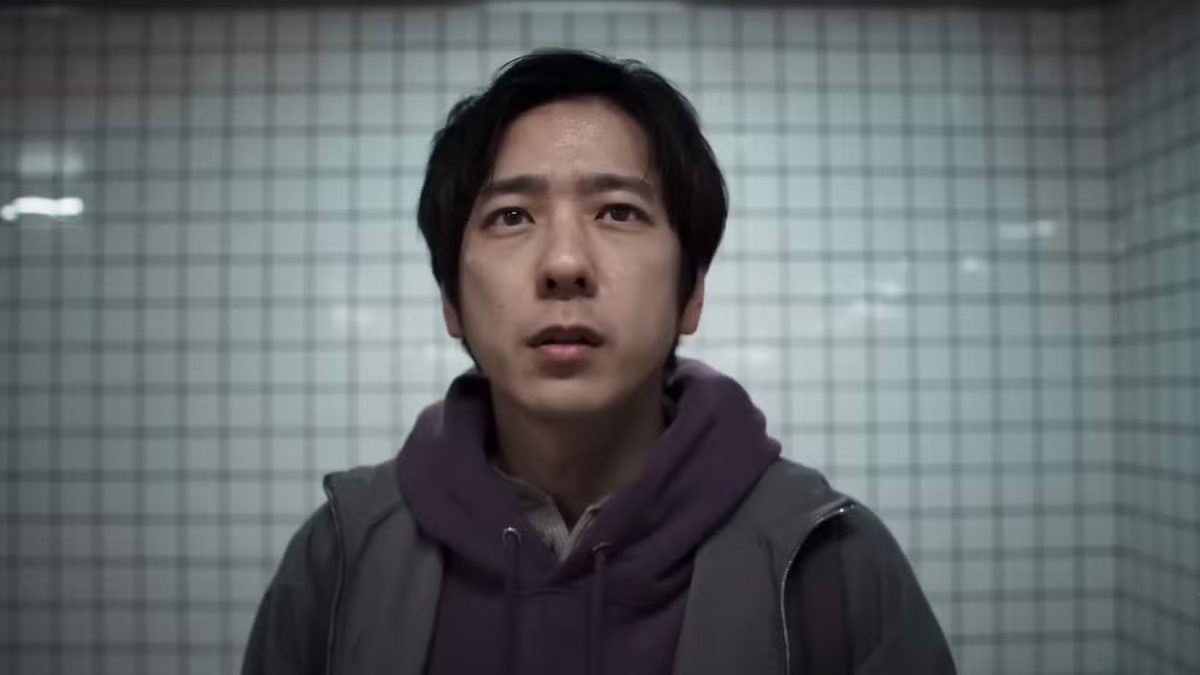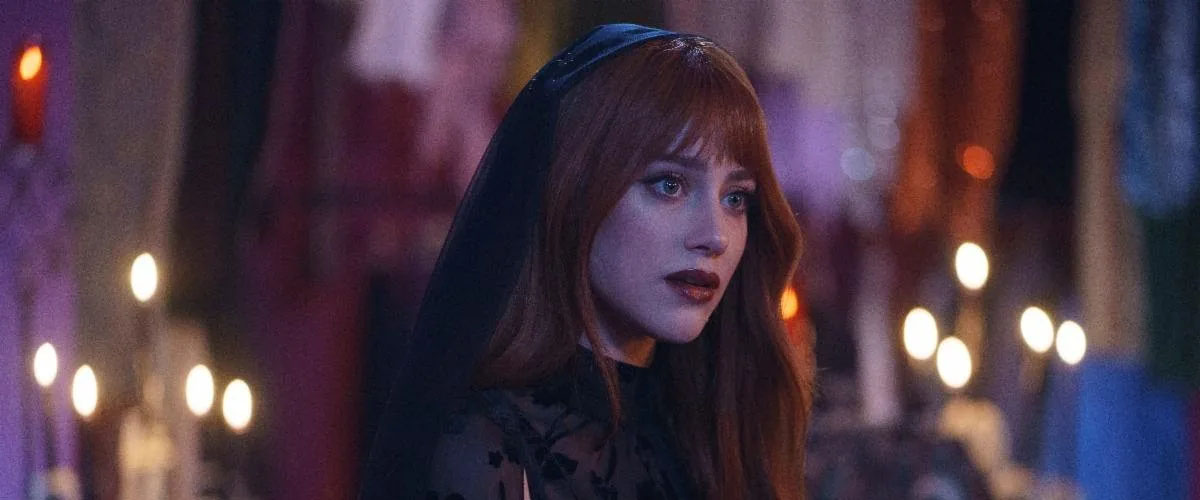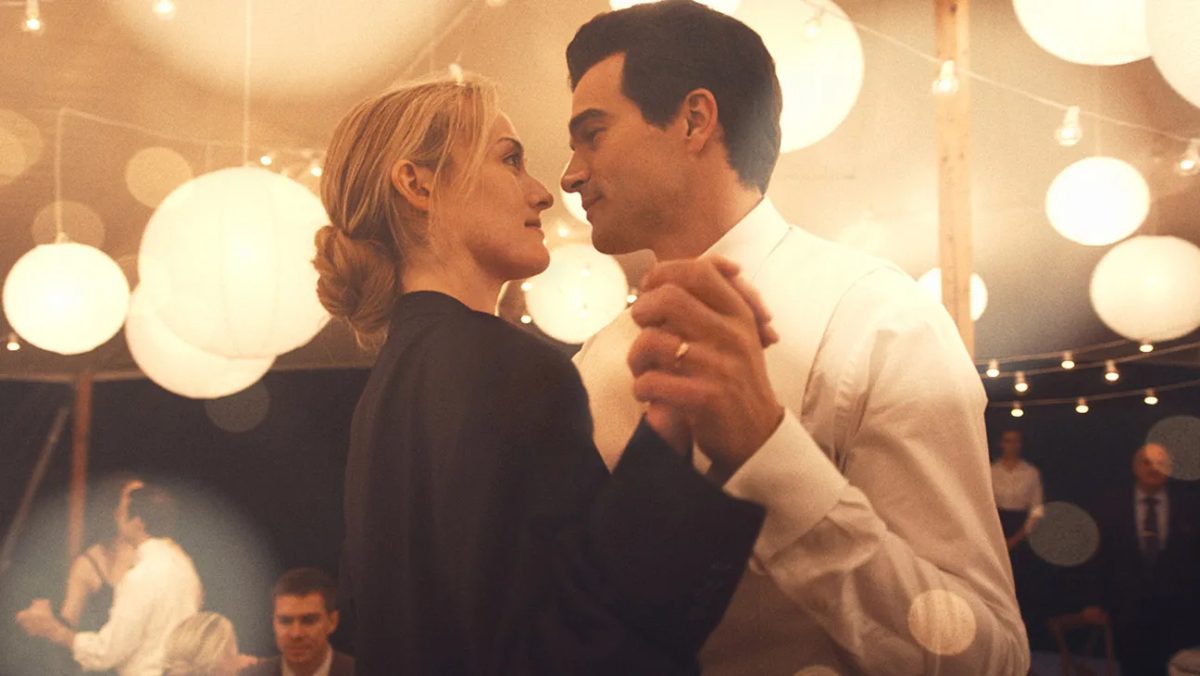


Damian McCarthy’s highly anticipated sophomore horror outing “Hokum” released in theaters worldwide May 1. After he delivered well-directed and effective scares in his previous movie “Oddity,” horror fans have been eagerly awaiting McCarthy’s second outing. Much of the hype surrounding the project was about how, unlike many modern “elevated” horror films, McCarthy actually scares the audience. The big question is: does “Hokum” live up to the terrifying reputation of its director? Yes and no.
“Hokum” follows Ohm Bauman (Adam Scott), a cynical and jaded American author experiencing writer’s block, who travels to a remote inn known as the Bilberry Woods Hotel in Ireland to spread his parents’ ashes. Unfortunately for Ohm, this particular hotel is haunted. To escape, he must survive the creatures of Irish folklore contained within the honeymoon suite. The premise is unique and offers ample room for creative ideas that have rarely been explored in the horror genre. The Irish folklore is incredibly interesting, and Ohm’s personal narrative is compelling despite his unlikable disposition.
In many ways, “Hokum” is quite scary. The imagery and potent atmosphere lend to the tension, but it does not quite reach the heights of fear promised in the marketing. While it is well shot and acted, it just is not as scary as one would hope. It has good potential for scares that really shake the audience, but some of the payoffs lack satisfaction. The unnerving rabbit man featured in the trailer only makes a few appearances, all of which are some of the most memorable moments of the movie. Sadly, he is not as important as the marketing would have viewers believe.
Many of the jumpscares throughout are easy to predict and serve only to startle the audience instead of adding to the tension. Each jumpscare is accompanied by the standard violin screech that one would expect, which becomes a tiresome crutch after a while.
Despite its disappointing lack of frights, “Hokum” is very fun to watch. McCarthy keeps the viewer engaged with some interesting twists, which gives the audience room to guess where each scene will go next. This lack of predictability makes the pacing natural and easy to watch. Skeptical viewers who think that the trailers gave too much of the movie away will be pleasantly surprised to find that most of the tricks hidden up McCarthy’s sleeve were saved for the full feature.
The set design from production designer Til Frohlich is phenomenal. The haunted hotel is believable as a place that could exist in the real world, while also hiding terrifying secrets beneath the surface. The escape room style that the movie takes on in the middle half showcases the intricate set, and that level of detail is what makes this story more grounded and realistic. The sound design by Steve Fanagan is also incredible and the way each scene uses sound to increase tension works impeccably. A standout example of this is a recurring clock bell chiming unexpectedly, which keeps the audience on their toes.
Scott’s performance may appear a bit stilted, but he gives a subtle complexity to the character of Ohm. In contrast, the surprise villain is underdeveloped in comparison. Unlike Ohm, their motivations and backstory are a bit of an afterthought by the end of the story. Jerry, Ohm’s forest-dwelling sidekick portrayed by David Wilmot, is also entertaining but has little screentime.
For horror junkies looking for some real scares, “Hokum” may not deliver the thrills that early reviews claim it does. However, for those looking for a fun, well-made haunted house thriller with plenty of twists, this movie delivers that in spades.