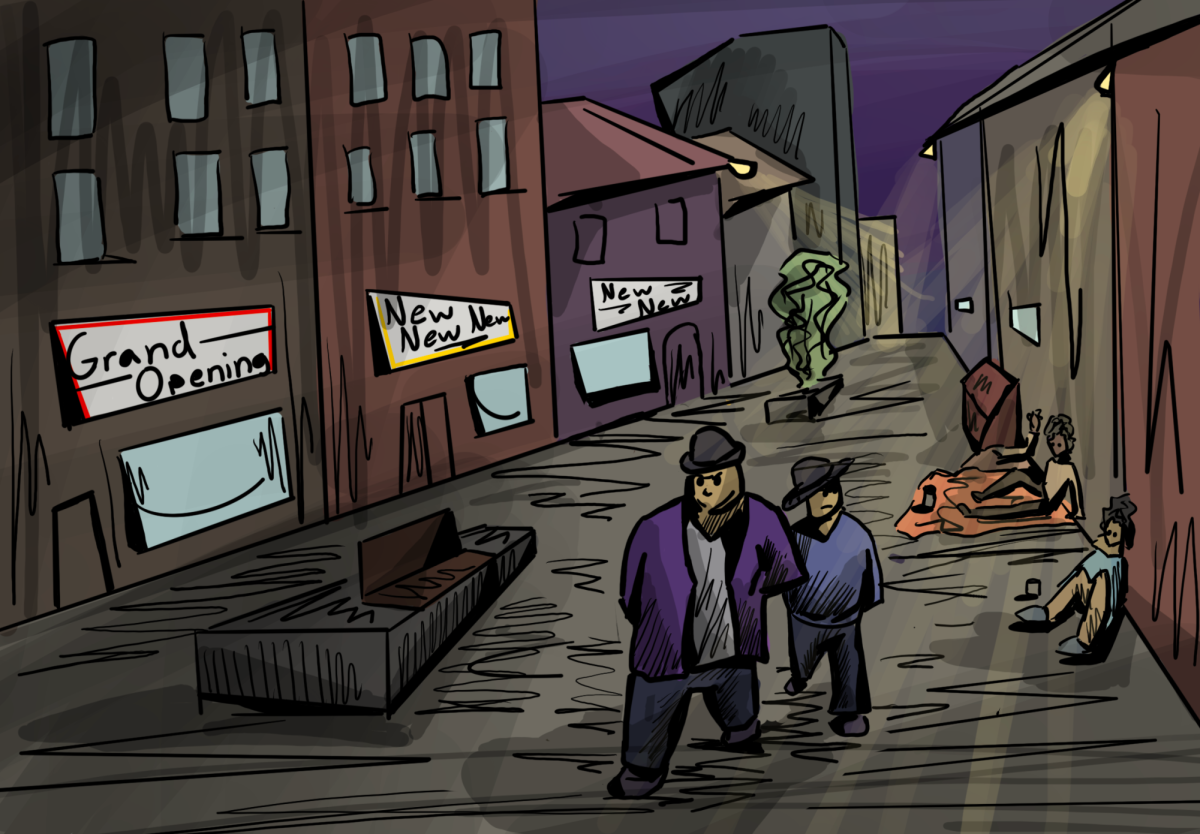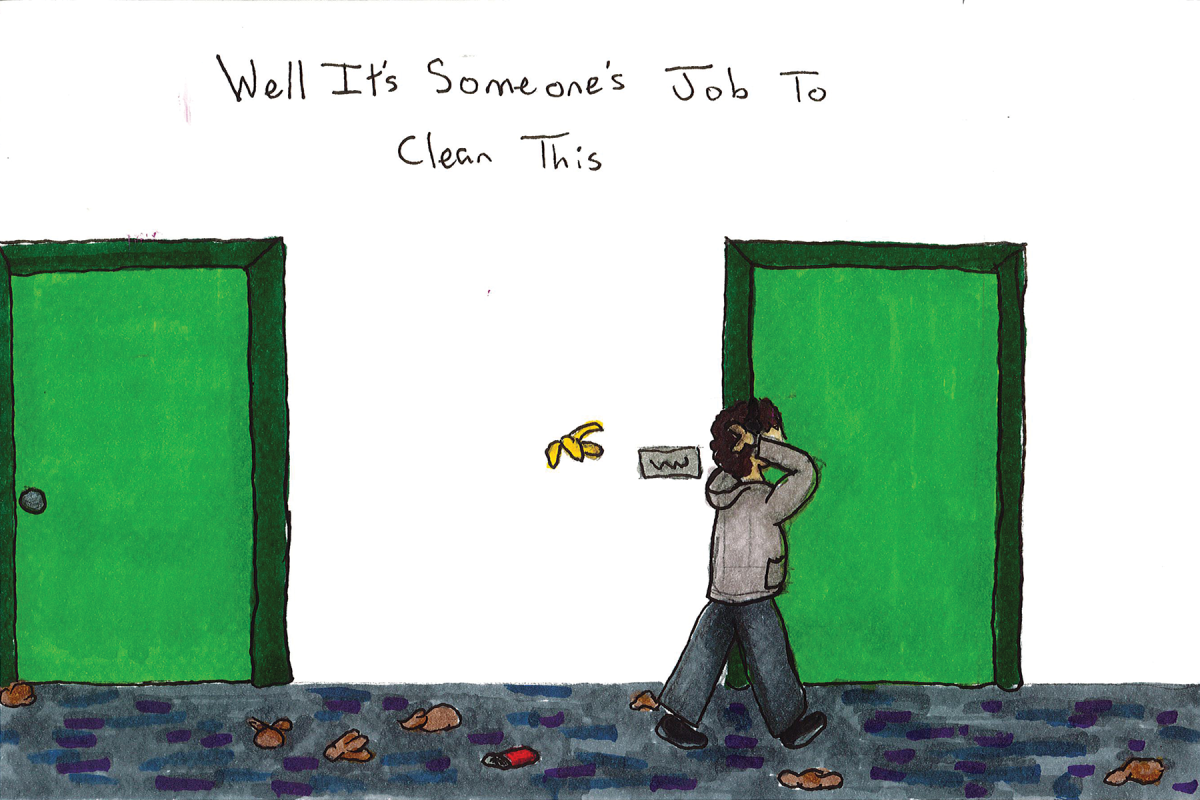


The job market is now in its worst state, based on underemployment, for college graduates since the pandemic in 2020. A study by the Federal Reserve Bank of New York found that for recent graduates, unemployment is rising and underemployment is at its highest since 2020.
With the increasingly competitive job market and concerns about artificial intelligence replacing many entry–level jobs, it is valid for students to feel mounting pressure and anxiety toward their post–graduation plans. But the system is not changing anytime soon, and now more than ever, we have to focus on finding solutions to what is actually in our control.
At Ithaca College, there are resources dedicated to helping students in their navigation of the workforce. For example, the Center for Career Exploration and Development is designed to help guide students in resume building and the job application process. Students can meet with peer career advisors through drop–in appointments available 11 a.m.-2 p.m., Monday through Friday. There are also appointments available with professional staff members from the center, after the first meeting with a PCA.
It is more important now than ever to gain experience, get internships and to think about the future. But in many cases, the current attitudes students share around working make building careers look like a sprint right out of college, rather than the marathons that they truly are.
After graduation, students should expect to spend the next 40 years of their lives in the workforce because the average retirement age is 62, according to the Transamerica Center for Retirement Studies. And according to industrial organizational psychologist Andrew Naber, the average person will spend 90,000 hours of their life working. Putting the job market into this perspective, what students do now and in their early careers is just the very first step in the careers they hope to have.
There are also many elitist attitudes regarding entering the workforce. Underemployment, which is categorized as having a job that does not require a college degree, in many cases can be seen as the worst scenario for students leaving higher education. But in reality, what may seem like the end of the world is really just not ideal at the moment.
There is also much more to life than the jobs we will all eventually work. By equally prioritizing other aspects of life, besides the labor we all will perform, life will end up being much more fulfilling in the long run. No one is getting out of laboring because it is a part of life. But with the whole world to look ahead to in our futures, our attitudes should change if we want to live lives that do not only revolve around the labor we have to contribute to the market.
There should remain an obvious level of seriousness when it comes to finding employment post–graduation. But students also should keep in mind that they will be working for virtually the rest of their lives. It should not be a race or a hunt for a job or career, but a long process where the small actions taken now will eventually all add up.