

Sustainability is a core pillar of Ithaca College’s mission and institutional values. Recognized for its commitment to sustainability by both the Princeton Review and the Association for the Advancement of Sustainability in Higher Education, the college is still making strides to promote environmental stewardship. As a frontrunner in the shift toward sustainable practices in higher education, IC should demonstrate the same commitment to sustainability in its everyday practices that it does in its academic programs.
The College’s Farming the Forest: Non-Timber Forest Products course allows students to run their own business by sustainably producing material from undeveloped forest land — including the production of maple syrup. Wood is utilized in the syrup’s boiling process rather than natural gas or coal to achieve a smoky flavor. The efforts of the South Hill Forest Products class are commendable and demonstrate sustainability at its best.
Living sustainably is often presented as a matter of personal choice, but there are many people on a local, national and global level who do not have the means to live a more ecologically friendly lifestyle. Sustainable products often cost more upfront because of the processes involved in producing them. According to a survey by Deloitte, four out of 10 consumers cited paying more for sustainable products than an available alternative, estimating paying up to 27% more on average. For example, the syrup boiling process is energy-intensive, with the amount of wood used reaching the equivalent of three tons of coal. The energy demand required to produce the maple syrup is responsible for the higher price tag it often carries, even at the grocery store.
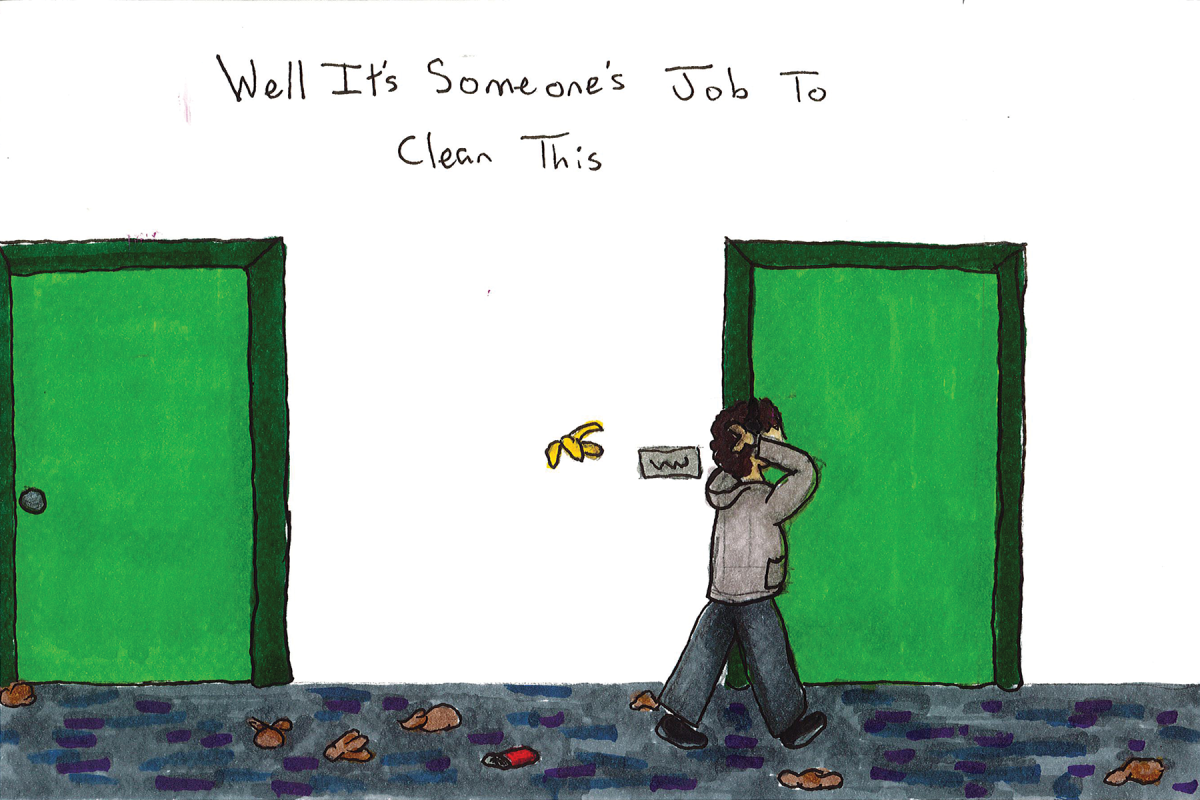
At the same time, needless waste continues in routine spaces where more sustainable practices could be implemented. Campus cafes like Scribe Cafe consistently have leftover prepackaged overstock with no system in place to manage food waste. Student workers have reported incidents of bins of excess food, ingredients thrown out in bulk, and bottled and canned drinks piling up in warehouse space. While some consumers struggle to afford sustainable choices, usable food and resources are discarded.
There is an economic component to sustainability, and if a practice is not affordable long-term, it is not truly sustainable. If sustainable living is only achievable for individuals who can absorb higher costs, it becomes less of a commitment to protecting natural resources and more of a privileged luxury. IC expresses a commitment to financially accessible sustainability, and thus should demonstrate greater care in its everyday operations to prevent needless waste and fulfill this institutional pillar.