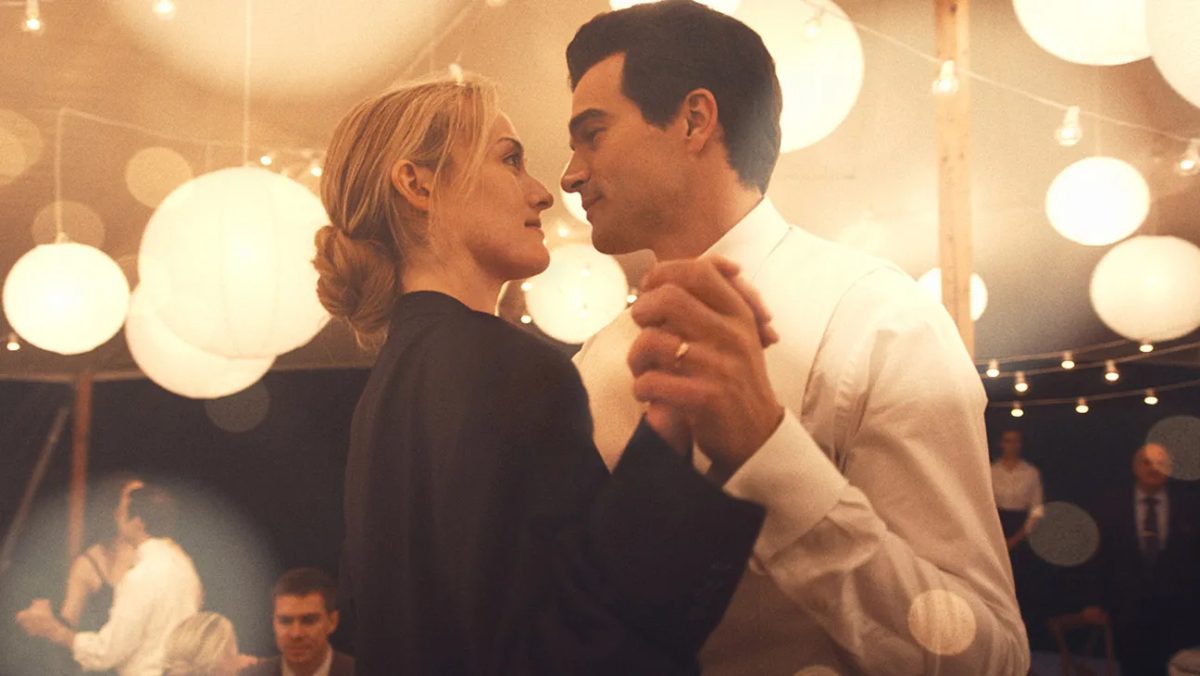


Director Chloé Zhao’s latest film “Hamnet” was released in theaters Nov. 26. The film is based on the novel of the same name by Maggie O’Farrell, who also cowrote the screenplay with Zhao.
“Hamnet” tells the life stories of Agnes (Jessie Buckley) and William Shakespeare (Paul Mescal), spanning from their first romantic encounter to the premiere of William’s play “Hamlet,” inspired by the death of their only son Hamnet (Jacobi Jupe).
Zhao’s directorial career has spanned from independent classics such as “Nomadland” (2020) to the Marvel Studios epic “Eternals” (2021). “Hamnet” is her most emotional and intimate film yet. Focusing on the quiet moments, Zhao orchestrates a slow, meaningful film that takes the audience through the Shakespeare family’s journey.
Buckley gives an astounding performance as Agnes. A tour de force, she captures the love and loss motherhood brings with ease. Despite not having much dialogue, Buckley’s performance through her eyes alone helps the viewer understand exactly what Agnes is going through. In the final shot, she communicates her fear, anger, loss, acceptance and eventual happiness wordlessly in mere seconds, leaving a lasting impression on the viewer.
Mescal is incredible as William, flawlessly capturing his youth and the grief he experienced while he wrote “Hamlet.” Mescal’s performance during a scene where he considers suicide while quoting the “To be, or not to be” monologue from the play “Hamlet” showcases some of the best acting of his entire career. Using his own words to calm himself, this scene is one of the most thought-provoking, becoming memorable mainly through Mescal’s phenomenal performance.
Jacobi Jupe as Hamnet is the heart of the entire film. His performance — specifically in the scene when he imagines he is on the stage of “Hamlet” as he dies in his mother’s arms — brings a level of sensitivity and innocence that is sure to move the audience to tears.
The script is the film’s biggest vice. While “Hamnet” succeeds at moving the audience emotionally, there are specific points where it feels as if there is a greater focus on hitting emotional beats than telling the story cohesively. A specific moment is when William is shown crying during the “Hamlet” play as it coincides with Hamlet’s (Noah Jupe) monologues; while this is moving, the editing is jarring and makes the story difficult to understand for a period of time.
The casting of two brothers — Jacobi and Noah Jupe — as the characters of Hamnet and Hamlet is a brilliant artistic choice because it strengthens the connection between the two. This connection is reinforced through the reveal of Hamlet being dressed in the same clothing as Hamnet while recreating Hamnet’s dream of being a swordsman on his father’s stage. Through this, the audience gets a deeper understanding of the way William wrote “Hamlet” to visualize his son appearing on his stage and reappearing in his life.
In the climax — the premiere of “Hamlet” — William appears on the stage as the ghost of Hamlet’s father. Agnes realizes the depth of the grief her husband experienced as she finally attends to her own. When Hamlet dies at the end of the play, Agnes reaches out her hand to comfort him, with the audience in the play around her following her actions. During this, Agnes both glimpses at the overwhelmed William and envisions Hamnet leaving the stage and officially leaving her. These final moments solidify the film’s status as one of the most impactful cinematic experiences of the year.
Amplified by the performances, “Hamnet” is a profound experience guaranteed to stay with the viewer long after the credits roll.