After graduating from a higher education institution, like Ithaca College, students leave with degrees that act as the representative proof of the work they did. But, as artificial intelligence technology advances and students’ attitudes toward education change to not caring about cheating with AI, what will those degrees truly represent?
A study from the University of Florida found that reading for pleasure decreased 40% in the past 20 years. As the culture and attitude toward reading generally stayed positive, the action of literally reading changed for the worse, drastically decreasing, with people instead turning to their devices during downtime. Now, in substitution for reading, people ingest short–form and highly targeted content on social media that is proven to significantly reduce attention spans.
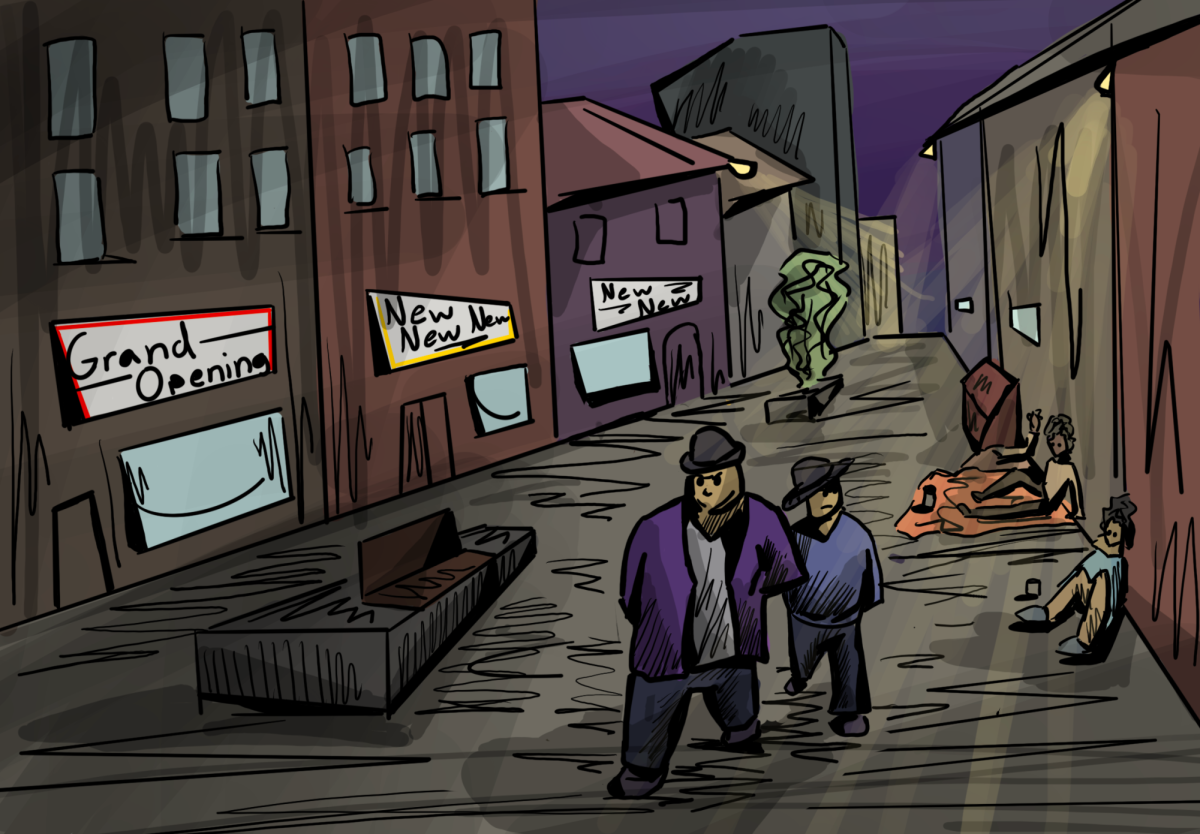
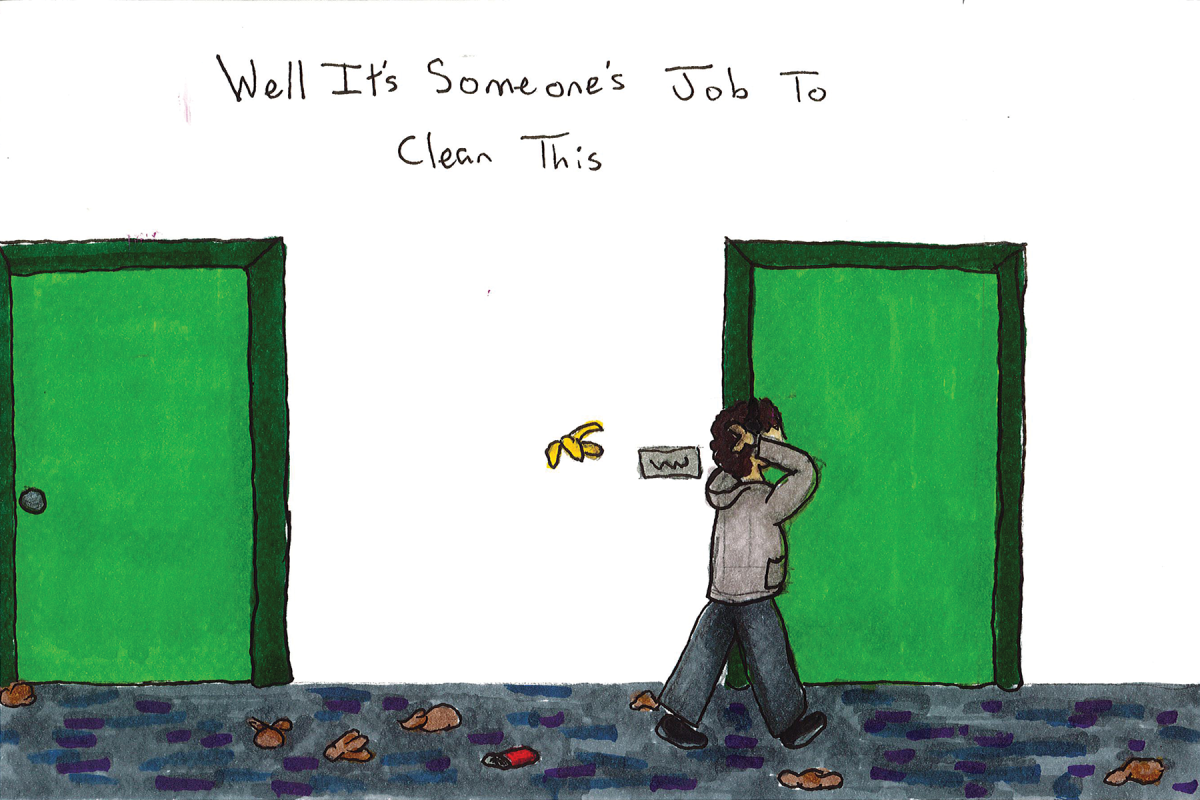
In higher education, this challenge is especially nuanced. As students, we choose our majors, the courses we take and the fact that we are even pursuing a higher education in the first place. We attach our names to every single assignment we submit. And as students, we should take pride in our work. But instead, many choose the easy way out — negating assigned readings and using generative AI to complete course work.
According to The Atlantic, this shift away from reading does not necessarily reflect a reduction in students’ skills or ability to read and write, but rather a shift in values. Students even at elite Ivy League institutions struggle to read sonnets, let alone full books, the way they did in the past. This reflects the larger emphasis students place on obtaining the most prestigious jobs post graduation, rather than any gain of real knowledge. This cultural change is not necessarily a bad thing, but the impact of not using your own mind’s ability to simply read or complete assignments yourself will undoubtedly catch up.
As the new semester begins, it might feel overwhelming, and many may feel the urge to turn to AI as a desperate last resort, but IC offers free resources for students to aid in writing as well as source gathering. For example, through the Writing Center, students can receive peer tutoring or get help from faculty tutors from the Department of Writing. The college’s library also offers one-on-one help with a librarian, where students receive specific, individualized help online or in person.
As students, we all have the privileged opportunity to pursue higher education. We should have immense gratitude for this advantage and take pride in the work we choose and get to do.