

4.5 out of 5.0 stars
Is there a price to partnership? If “Blue Moon,” the newest film from frequent collaborators Richard Linklater and Ethan Hawke is any indication, the price is a wonderful product. The film is remarkably simple, but it is brought to life by a finely-tuned script and excellent performances.
Inspired by true events, the film is set almost exclusively on March 31, 1943, in the iconic Sardi’s restaurant in Manhattan. Richard Rodgers and Oscar Hammerstein II’s “Oklahoma!” has concluded its triumphant opening night performance, but the mood is dour for Lorenz Hart (Hawke), the former songwriting partner of Rodgers (Andrew Scott). As his peers celebrate a watershed moment for American theater, Hart must confront his own personal battles and woes.
Linklater has directed Hawke in “Boyhood” and the “Before” trilogy, both decade-sprawling productions. This film is a departure from those grand efforts, but is no less rewarding for audiences. The two creatives have distinct, intellectual styles that complement each other perfectly and are well-suited for the film’s setting.
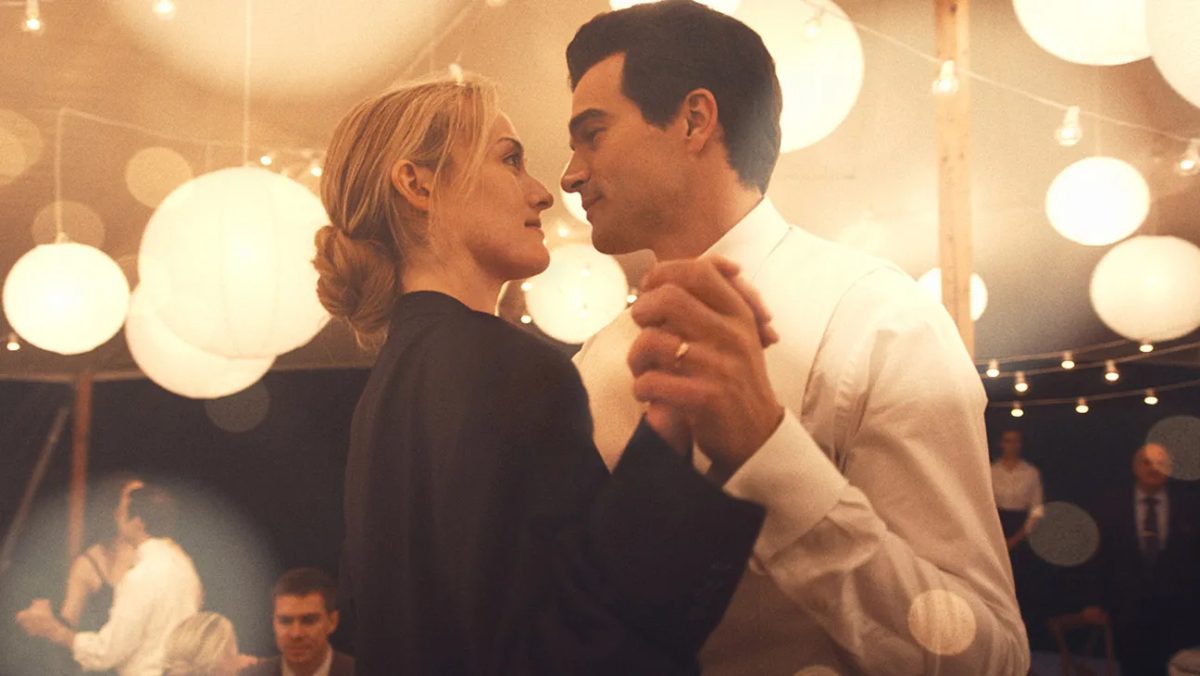
The film is visually dazzling, full of snazzy lighting and fashionable period outfits. Linklater’s trademark intimate direction is in full swing, as the film is confined to mostly one location, which grants it an almost theatrical quality. The cinematography is steady and inviting, and the real-life hits of Rodgers, Hart and Hammerstein are featured throughout the film, along with a tuneful score by Graham Reynolds.
Hawke — who is always superb — is a force of nature as Hart, disappearing into his sensitive and outgoing persona. The hurt and jealousy that Hart feels towards his contemporaries is so apparent as to be embarrassing, yet is deeply relatable. Though he has found enormous success with Rodgers, Hart’s drinking has diminished his standing in the high society of New York theater. Hawke portrays the frustration this brings him with humor and tenderness.
Hawke is assisted by a witty script, penned by Robert Kaplow, which gifts Hart several hefty monologues full of chewy one-liners. For the first half of the film, Hart is rarely silent, hopping from one anecdote to the next that conveys his blithe resentment towards his status as “washed up.” Hawke delivers each wisecrack with a pleasant wink, but it is his understated pain that elevates the performance from good to great.
The only two people who seem to be able to silence Hart are Rodgers himself and Elizabeth Weiland (Margaret Qualley), a Yale student whom Hart has been attempting to seduce for months. Scott is fantastic as Rodgers, playing him as a humble genius both exasperated by and ceaselessly sympathetic to Hart. He deeply respects him, but has to move past their collaboration to advance his career, and Scott’s performance is a beautifully humanizing portrait of an American legend.
Qualley strains credulity as a 22-year-old, but her signature effervescence is a perfect match for Hawke’s verve. Hart’s sexuality is left ambiguous — he refers to himself as “ambisexual” in the setup to a punchline too vulgar for this review — but he has a deep infatuation with Weiland. While he desires Weiland herself, it is clear that he is equally attracted to her lifestyle as a young upstart hoping to break into the business. Qualley has remarkable chemistry with Hawke, toeing the line between Elizabeth’s genuine affection for Hart and her reservations about being involved with him.
Other notable players include a likable Bobby Cannavale as Sardi’s bartender Eddie and Jonah Lees as pianist Morty Rifkin, who both banter well with Hawke. Simon Delaney makes a brief appearance as Hammerstein, and Patrick Kennedy portrays a pensive E.B. White, who shares a few drinks with Hart. Both performances are perfectly enjoyable, but specific moments stick out as clunky.
Namely, White pointedly shares that he is having writer’s block over the children’s book he is writing. Hart shares a poetic, but arbitrary, anecdote about a mouse in his kitchen that he has named “Stuart,” and White jots this down. A similar moment is when Hammerstein introduces his young neighbor, “Stevie,” a charming Cillian Sullivan and an aspiring composer who laments Hart’s disdain for thoughtful and serious musicals. While they are fun for the audience, these low-hanging fictionalized references make this clever biopic a bit more cliche.
Still, the film is nothing short of delightful, and will likely be an awards season contender due to its snappy script and performances. Yet, the quips and cultural nods are just as important as the wistful sorrow at the core of the film. In the final scene, when Weiland leaves the embittered Hart at Sardi’s, arm in arm with Rodgers, we cannot help but feel for him. Weiland, like this modest film in which she is featured, will indeed be “so hard to forget.”