

In the 1980s, Black Friday was created as a single day of extraordinary, exclusive in-store sales. Customers would line up outside stores early in the morning to secure deals. However, the one day frenzy has started to disappear in recent years.
The retail landscape has shifted from physical stores to online shopping, changing what Black Friday looks like; Cyber Monday started in 2005, and has quickly grown to rival Black Friday deals. This change ultimately profits large corporations and harms small businesses without a large online presence.
The original retail strategy of setting extreme discounts on limited stock was designed to trigger urgency. Retailers would accept losses on a few big-ticket items to draw crowds that would make additional purchases within the store. However, this model relied on the physical presence of customers, meaning it is no longer feasible in the emerging digital marketplace.
Today, shoppers can easily compare deals from hundreds of stores on their phones or computers from the comfort of their own home rather than standing in lines for hours and fighting crowds for the last item on the shelf. Online retailers also offer continuous weeks-long promotions, algorithmically adjusted pricing and massive inventories, diluting the urgency and exclusivity that once justified the steep discounts Black Friday once brought.
With so many deals available at the mere click of a button, the very concept of the doorbuster exclusivity that Black Friday presented becomes obsolete. The scarcity that is needed to trigger urgency to buy a product disappears when thousands of people can access the same inventory at the same time.
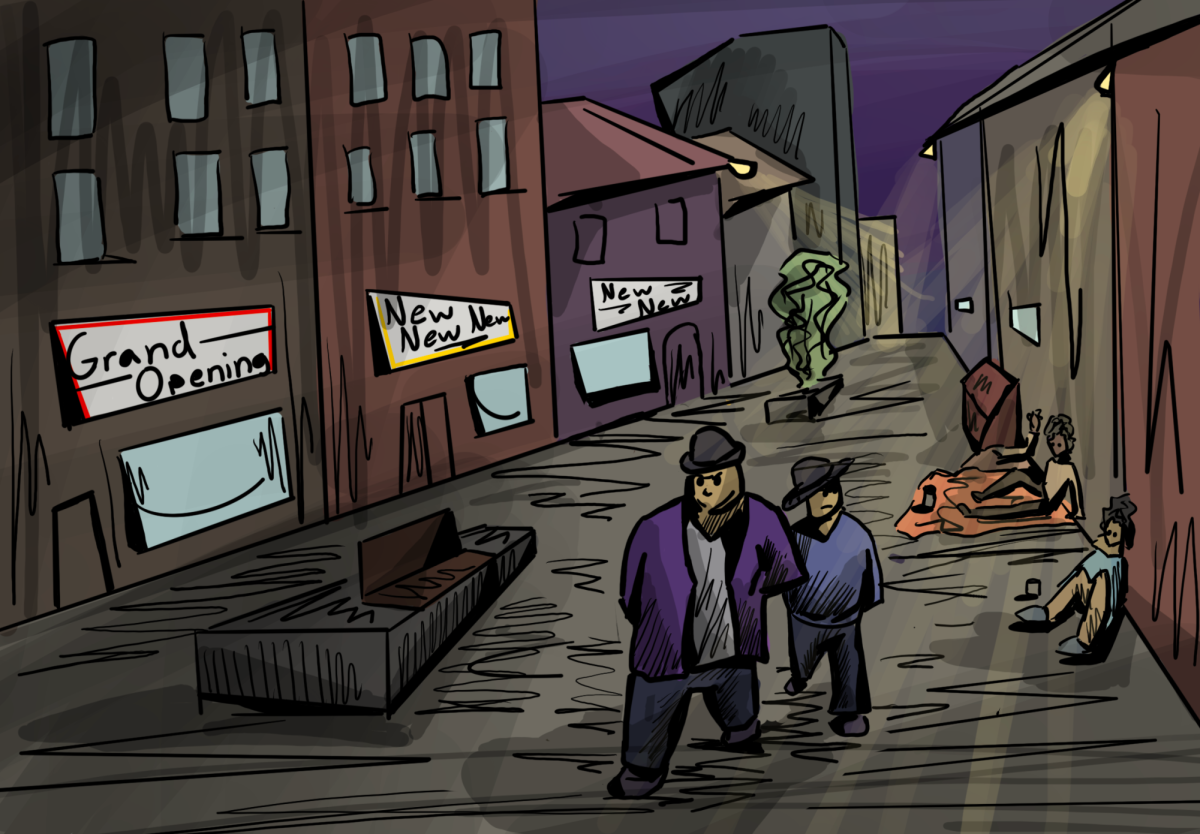
This shift is especially damaging for small businesses. The original Black Friday environment that was driven by in-person excitement and foot traffic gave these businesses a fighting chance to compete with large chains; a local shop might not be able to match Walmart’s prices, but it can attract buyers through atmosphere, customer service or unique products.
However, in the new online retail landscape, doorbuster deals are not just unfeasible, they are economically impossible. Small retailers do not have the logistical capacity, marketing reach or inventory scale to offer steep discounts to an unlimited online audience. As Black Friday transforms from a physical event into a digital ecosystem, the foot traffic that once leveled the playing field for small businesses disappears entirely.
Ithaca has its own versions of Black Friday and Cyber Monday aimed at supporting small businesses called “Plaid Friday” and “Cider Monday.” The holidays celebrate downtown Ithaca’s diverse independent businesses, reminding shoppers to support local business owners amid online deals. Locals should take advantage of these deals and do their holiday shopping at these businesses.
However, these holidays are not the only way Ithaca continues to support its small businesses lost in the herd of holiday deals. Social media hashtags throughout various Ithaca accounts aid visibility for these businesses, and Ithaca even has startup help for some of these businesses. Ithaca business-owners have made strides to make their business accessible, even creating a centralized website for all shopping needs.
The Ithaca business community has prioritized small shopping and has made brick-and-mortar sales just as easy as shopping with corporations online. Shoppers should take advantage and support small businesses, not only on Black Friday, but throughout the entire year so they can continue to compete against large corporations amid the emerging digital shopping landscape, and contribute to Ithaca’s thriving community.