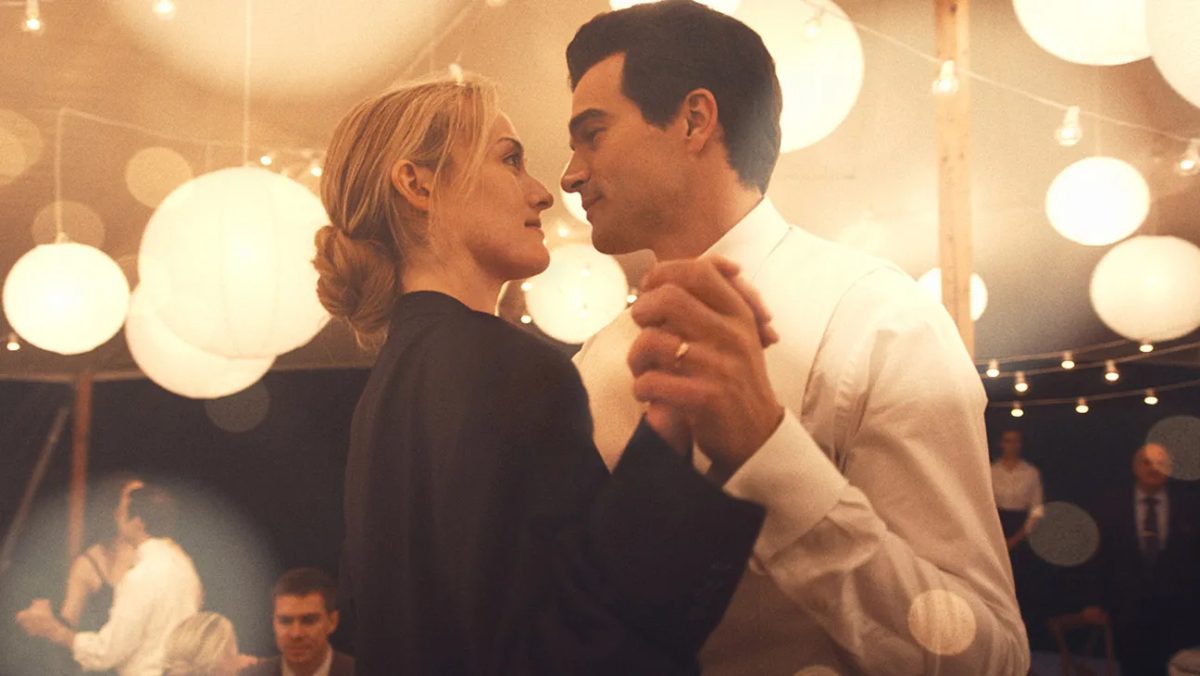


The latest in the “28 Days Later” franchise, “28 Years Later: The Bone Temple,” was released Jan. 16, a swift seven months after the release of the previous film, “28 Years Later.”
Setting itself apart from the other films in the franchise, “The Bone Temple” begins moments after the events of the previous film. While the other three films open on characters being attacked in the initial outbreak, the latest opens with Spike (Alfie Williams) being forced to kill one of the Fingers, members of a violent cult led by Sir Lord Jimmy Crystal (Jack O’Connell).
Through Spike’s journey, the film addresses themes of cults and their relations to religion. The Fingers blindly follow their leader in their actions of torturing and murdering more humans than infected. Jimmy Crystal genuinely believes himself to be the son of Satan, and believes Satan is calling him to commit the heinous acts shown throughout.
“The Bone Temple” also follows Dr. Kelson (Ralph Fiennes) and his developing companionship with an Alpha (an infected with a stronger body and mind) he names Samson (Chi Lewis-Parry). Dr. Kelson discovers that Samson becomes addicted to the morphine used to sedate him. Samson slowly regains his humanity due to the medicine, and after being given antipsychotic pills by Dr. Kelson, he seems cured of the virus. Because of Lewis-Parry’s incredible performance, the viewer gets an understanding of the powerful journey Samson goes through, with his first full sentence being the most memorable line spoken throughout the entire film.
Fiennes gives an excellent performance as Dr. Kelson. Utilizing his subtlety as an actor — from his gentleness and patience with Samson to his unease and eventual demise with Jimmy Crystal — Fiennes demonstrates a range few actors can reach. In particular, his final scenes establish him as one of the best acted or written characters in the entire series.
O’Connell is a scene-stealer as Jimmy Crystal. By conveying humor through his appearance and mannerisms and mania through his dialogue and actions, O’Connell delivers an incredible performance.
While Williams’ Spike is the protagonist of the previous installment, he is unfortunately pushed to the side in “The Bone Temple.” Because it mainly follows Dr. Kelson and Jimmy Crystal, Spike has no emotional arc.
The cinematography, while not as inventive as the previous installment’s, is just as engrossing. The camerawork differs in depictions of humans in comparison to the infected. While the camerawork for the human characters is stable and distant, the camera is frantic and close for the infected. Specific close-up shots of the infected focus on their eyes, mouths and hands to showcase how they live and hunt. During these shots, the sound design enhances their rage by focusing heavily on their yells and heavy breathing.
One feature of every “28 Years Later” film that is constantly improving over time is the make-up, especially as seen on the infected, which is striking, haunting and memorable. Shown on the human characters, specifically Dr. Kelson, it brilliantly demonstrates the harshness the post-apocalyptic society has had on them. The new society is also showcased through the sets and costumes, with the entire world feeling almost too lived in from the decay of humanity.
The screenplay by Alex Garland, who has penned every installment except “28 Weeks Later” (2007), is phenomenal. The film perfectly balances the horror elements with dark humor. In the best scene, Dr. Kelson dances to Iron Maiden’s “The Number of the Beast” while impersonating Satan for the entertainment of the Fingers. The script finds entertainment, euphoria, dread and more in scenes, characters and themes.
The direction, by Nia DaCosta, is a gutsy new vision for the series. Vastly different from the direction of Danny Boyle, DaCosta steadies the camera in order for the audience to not only understand the film more, but also the violence committed by characters who are willing to do anything for survival.Despite many tension-filled scenes with infected chasing humans, the most suspenseful scene is between Dr. Kelson and Jimmy Crystal having a simple conversation with one another. While discussing their pasts and potential futures, dread spreads a shadow over their talk. Continuing themes addressed throughout the franchise, “The Bone Temple” stands out among other post-apocalyptic films by tackling the horrific atrocities executed by what is left of humanity.